 by
by 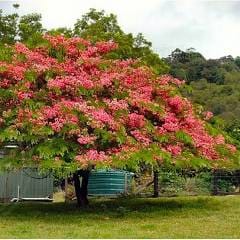
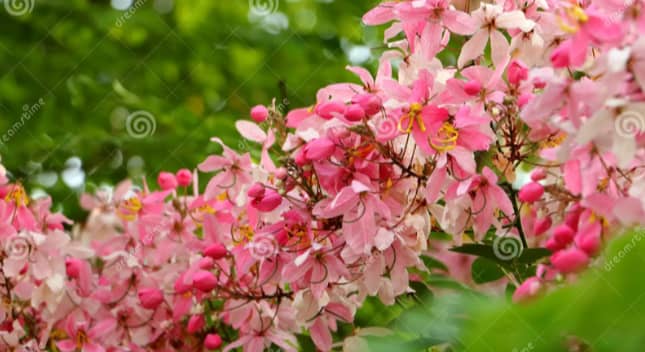
Cassia javanica, also known as the Java Cassia or Pink Shower Tree, is a beautiful ornamental tree native to Southeast Asia that is widely planted in tropical and subtropical regions. It is admired for its showy cascades of pink, crimson, or yellow flowers that bloom in clusters and is valued for its shade, ornamental appeal, and cultural significance. It thrives in full sun and well-drained soil, requiring moderate watering and occasional pruning to maintain its shape.
Origin and Distribution of Cassia javanica
- Scientific Name: Cassia javanica
- Family: Fabaceae (legume family)
- Common Names: Java cassia, Pink shower tree, Apple blossom tree
- Hindi Name: Kanchan, Jangal Jalebi (कंचन, जंगल जलेबी)
- Native to: Southeast Asia (including Indonesia, Thailand, and the Philippines)
- Also grown: In tropical regions worldwide for ornamental and medicinal use
Botanical Description of Cassia javanica
- Type: Medium to large flowering tree
- Height: Can grow up to 10–15 meters tall
- Leaves: Compound leaves with many leaflets
- Flowers: Showy clusters of pink to reddish flowers that bloom in spring and early summer
- Fruits: Long cylindrical pods with seeds inside
you may also like https://thrievly.com/cassia-abbreviata-long-tail-cassia/
Medicinal Components of Cassia javanica
- Leaves: Contain compounds with antiviral properties, helpful against herpes simplex virus
- Bark: Used in traditional medicine, especially in Ayurvedic and folk remedies for managing diabetes
- Whole Plant Extracts: Used for gastrointestinal problems
Health Benefits and Traditional Uses
- Constipation Relief: The plant is often used as a natural laxative
- Colic and Stomach Ailments: Helps in easing abdominal discomfort
- Chlorosis: Traditionally used to manage this condition (a form of anemia)
- Urinary Disorders: May help cleanse the urinary system
- Diabetes Management: The bark is part of herbal formulas used to support blood sugar control
- Antiviral Effects: Leaf extracts show potential against the herpes virus
you may also like
Other Uses
- Ornamental Tree: Grown for its beautiful flowering display
- Shade Tree: Commonly planted along roadsides and parks
⚠️ Caution
- Always use under guidance from a qualified herbalist or medical professional
- Effectiveness may vary; not a substitute for prescribed medication in serious conditions