 by
by Protection Against Inflammation and Gastrointestinal Cancers
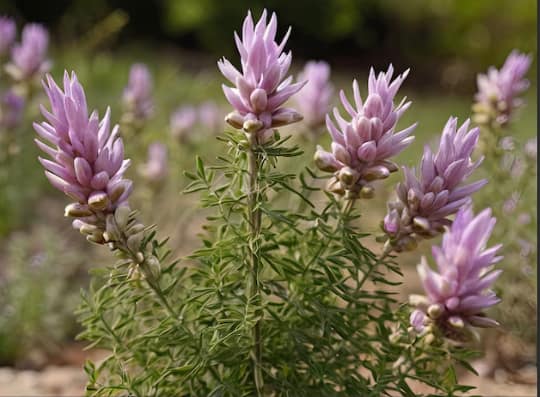
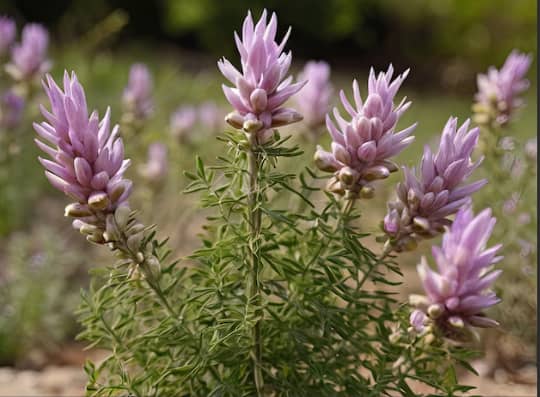
Astragalus membranaceus is a major medicinal herb commonly used in many herbal formulations in the practice of traditional Chinese medicine (TCM) to treat a wide variety of diseases and body disorders. Among its diversified clinical applications, the potential use of this herb and its chemical constituents in treatments of inflammatory diseases and cancers has been actively investigated in recent years. Astragalus-based treatments have demonstrated significant amelioration of the toxicity induced by other concurrently administered orthodox drugs (e.g., immunosuppressants and cancer chemotherapeutics). The major components of Astragalus membranaceus are polysaccharides, flavonoids, and saponins.
Origin and Distribution of Astragalus membranaceus
- Scientific names: Astragalus membranaceus or Astragalus propinquus
- Common names: Mongolian milkvetch, Huang Qi (in Chinese)
- Native to: Northern and Eastern Asia, especially China, Mongolia, and Korea.
- Grows in grasslands, mountain slopes, and dry areas.
- It is a perennial plant (lives for several years).
- Not endangered and is widely cultivated.
Description of Astragalus membranaceus
- A flowering plant in the Fabaceae (legume) family.
- Grows up to 40–60 cm tall.
- Has small, yellow flowers and compound leaves with many leaflets.
- The root is thick and long, harvested after 3–4 years for medicinal use.
you may also like https://thrievly.com/healing-plants/
Traditional Use and Health Benefits of Astragalus membranaceus
- Used in Traditional Medicine: A key herb in Traditional Chinese and Mongolian medicine, where it’s known for boosting energy and immunity.
- Main part used: Root (called Radix Astragali)
- Health Benefits:
- Immune system support
- Anti-aging properties
- Helps manage fatigue and weakness
- Promotes heart health
- Supports kidney function
- Active Compounds:
- Polysaccharides: Support immunity
- Triterpenoids (e.g. astragalosides): May help protect organs
- Isoflavones: Natural plant chemicals with antioxidant effects
- TA-65: A modern extract from the root that may help protect telomeres, which are protective caps on the ends of our DNA. This could help slow down aging at the cellular level.
you may also like https://thrievly.com/babool-or-sweet-acacia-uses-benefits-botanical-facts/
📍 In India or Hindi Name
- Not native to India, and does not have a specific Hindi name.
- May sometimes be referred to in Ayurveda-based supplements as “Astragalus” or “Milk Vetch Root” in English.