 by
by 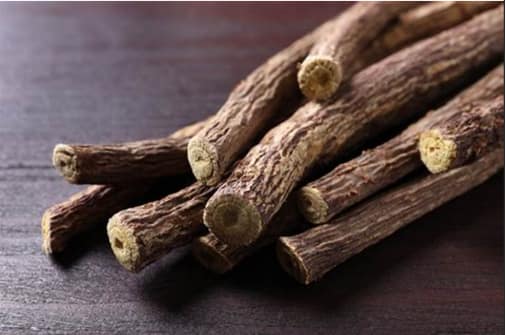
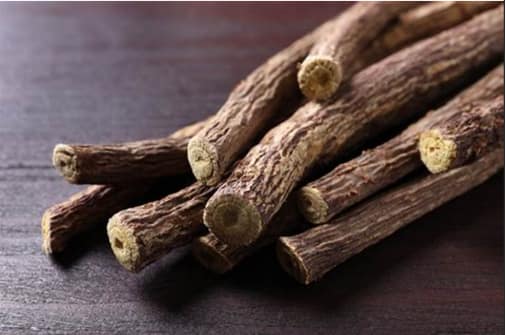
Licorice root is a perennial herb that is cultivated throughout Europe, Asia, and the Middle East. It is used as a flavoring in candy, other foods, and tobacco products.
Many “licorice” products sold in the United States do not contain actual licorice. Anise oil, which smells and tastes like licorice, is often used instead.
Licorice root has a long history of use, going back to ancient Assyrian, Egyptian, Greek, Arab, Chinese, Tibetan, and Indian cultures. It was used in traditional medicine practices for coughing, asthma, and wound healing, as well as for diseases of the lungs, liver, and arteries.
Today, licorice root is promoted as a dietary supplement for digestive, respiratory, and energy support. Topical (applied to the skin) licorice has been promoted for certain skin conditions.
Origin and Distribution of Licorice Root
- Scientific Name: Glycyrrhiza glabra
- Family: Fabaceae (legume family)
- Common Names: Licorice, Liquorice
- Hindi Name: Mulethi (मुलेठी)
- Native to: Southern Europe and parts of Asia, including India, Iran, and China
you may also like https://thrievly.com/%f0%9f%8c%bf-acacia-penninervis-mountain-hickory-wattle/
Botanical Description of Licorice Root
- Type: Perennial herb
- Height: 1 to 1.5 meters tall
- Leaves: Pinnate with 9–17 small leaflets
- Flowers: Purple to pale blue
- Roots: Thick, fibrous roots used for medicinal and flavoring purposes
Chemical Components of Licorice Root
- Glycyrrhizin: A natural sweetener that is 30–50 times sweeter than sugar
- Anethole: Provides a sweet, aromatic smell
- Glabridin & Glabrene: Phytoestrogens (plant-based compounds that act like weak estrogen)
- Saponins & Flavonoids: Anti-inflammatory and antioxidant properties
you may also like https://thrievly.com/babool-or-sweet-acacia-uses-benefits-botanical-facts/
Health Benefits and Uses of Licorice Root
- Sore Throat & Cough: Soothes irritation and reduces inflammation
- Stomach Ulcers: Protects the stomach lining and helps heal ulcers
- Respiratory Relief: Acts as an expectorant and helps with asthma and bronchitis
- Hormonal Support: The phytoestrogens may help balance hormones, especially in women
- Skin Disorders: Used in creams for eczema and skin inflammation
- Immune Boosting: May support immunity through its antioxidant activity
Other Uses
- Widely used as a flavoring in:
- Candies
- Herbal teas
- Toothpaste
- Cough syrups and lozenges
⚠️ Safety and Precautions
- High doses or long-term use of glycyrrhizin can cause side effects like:
- High blood pressure
- Low potassium levels
- Water retention
- Deglycyrrhizinated licorice (DGL) is a safer form often used for stomach issues