Cringe, Then Heal: What Your Therapist Says (and Why It Matters)
 by
by Find the right therapist, and you’ll discover a rare kind of space—one that feels safe enough to unravel your thoughts, explore your wounds, and start …
Find the right therapist, and you’ll discover a rare kind of space—one that feels safe enough to unravel your thoughts, explore your wounds, and start …
I made a rookie mistake.
I read The Midnight Library by Matt Haig right after finishing Gabriel García Márquez’s Love in the Time of Cholera — a leap from a Nobel Prize-winning literary classic to a glossy, feel-good fiction wrapped in self-help mantras.
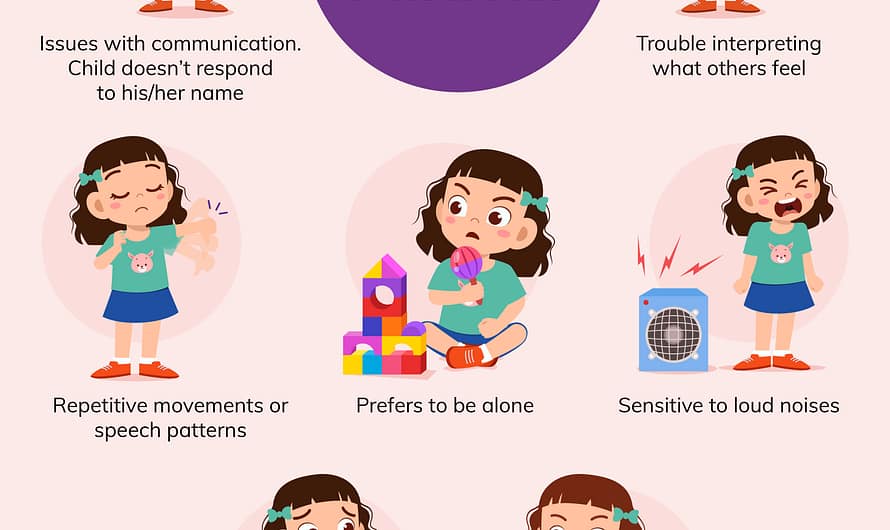
How well a person with ASD can function in their daily activities depends on the severity of their symptoms. As autism varies widely in severity and how they are handled on daily routine, the symptoms are not always easily recognized by everyone.
My journey toward understanding my neurodivergent identity began in 2021, when I was 37 years old. At the time, I was struggling with focus, organization, and a persistent sense that I was constantly falling behind, no matter how hard I tried. After seeking professional help, I was formally diagnosed with ADHD—specifically the inattentive type. That diagnosis was a revelation in itself. It explained so much about the difficulties I’d faced in school, at work, and even in day-to-day life: the forgotten tasks, the inability to follow through on plans, and the overwhelming mental clutter I had come to view as normal.