 by
by for Holistic Health and Healing
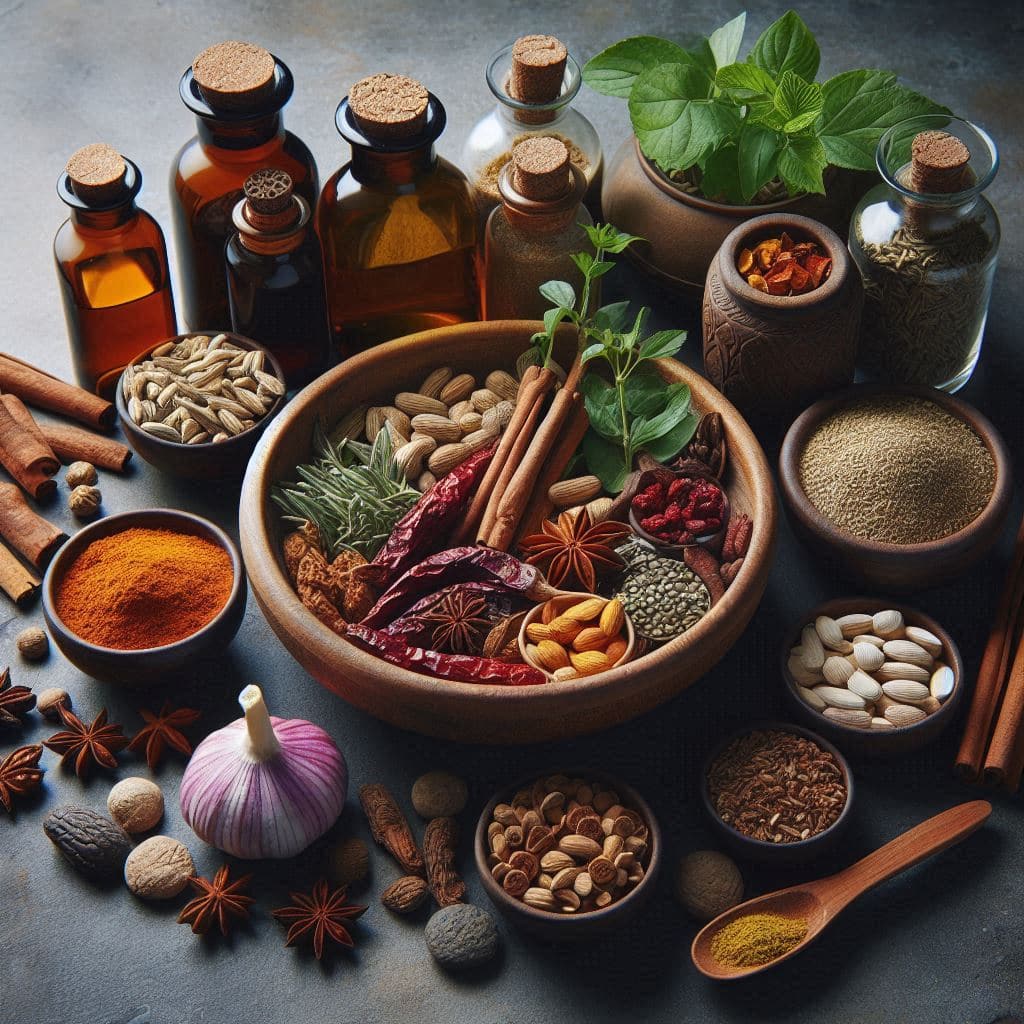
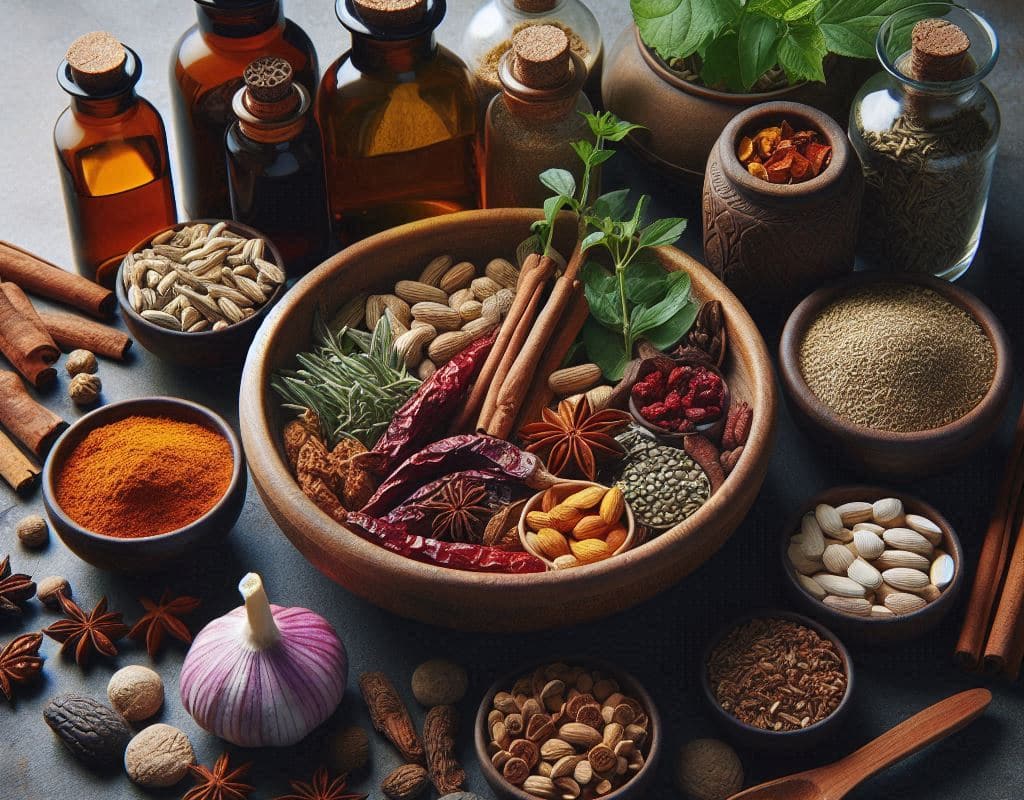
Ayurvedic herbs and spices are used to prevent anxiety, osteoarthritis, low testosterone, and high cholesterol, among other conditions. In general, Ayurvedic medicine aims to prevent illness—rather than respond to disease—through the practice of Ayurveda. Ayurveda, the ancient Indian system of natural medicine, is based on the philosophy of achieving harmony between the body, mind, and spirit. Its primary goal is not just to treat disease but to preserve health by maintaining balance through lifestyle, diet, and natural remedies.
At the heart of Ayurveda lies the power of herbs and spices — nature’s healing pharmacy. Used for over 5,000 years, these botanicals help restore balance, enhance vitality, and support long-term wellness.
🌿 The Unique Role of Herbs and spices in Ayurveda
Unlike modern medicine, which often focuses on symptom relief, Ayurveda aims to identify and heal the root cause of imbalance. Herbs are selected according to an individual’s Prakriti (natural constitution) and Vikriti (current imbalance) of the three doshas:
- Vata (Air & Ether): Governs movement, the nervous system, and breathing.
- Pitta (Fire & Water): Controls digestion, metabolism, and transformation.
- Kapha (Earth & Water): Provides stability, immunity, and structure.
Each herb carries a unique combination of:
- Rasa (taste)
- Virya (potency or energy)
- Vipaka (post-digestive effect)
- Prabhava (unique special effect)
These properties determine how an herb interacts with your body and mind, influencing balance, healing, and rejuvenation.
🌱 Health Benefits of Ayurvedic Herbs and spices
Ayurvedic herbs and spices support:
✅ Dosha balance (Vata, Pitta, Kapha)
✅ Improved digestion and metabolism
✅ Stronger immunity and vitality
✅ Emotional well-being and clarity
✅ Natural detoxification and cleansing
✅ Longevity and spiritual harmony
Some herbs are used daily to maintain wellness, while others are prescribed for specific health concerns.
🌿 12 Ayurvedic Herbs and Spices with Science-Backed Benefits
1. Ashwagandha herb (Withania somnifera)
A powerful adaptogen that helps the body manage stress, fatigue, and anxiety.
Studies show it reduces cortisol levels, improves sleep, enhances muscle strength, and may support male fertility and blood sugar balance.
Effect: Balances Vata & Kapha
Uses: Stress relief, stamina, sleep, hormonal balance
2. Brahmi herb (Bacopa monnieri)
According to test-tube and animal studies, brahmi appears to have strong anti-inflammatory properties. More human studies are needed to confirm these potential anti-inflammatory. Studies also link it to improvements in learning rates, attention, memory, and information processing, as well as reduced symptoms of attention deficit hyperactivity disorder (ADHD), such as inattention, impulsivity, poor self-control, and restlessness. Brahmi is Known as a brain tonic, it enhances memory, focus, and mental clarity. It supports learning and may help relieve anxiety and ADHD symptoms. Brahmi may have adaptogenic properties, which means that it may help improve your body’s ability to deal with stress and anxiety.
Effect: Balances Vata & Pitta
Uses: Memory enhancement, cognitive function, emotional balance
3. Turmeric spice (Curcuma longa)
Rich in curcumin, a potent antioxidant and anti-inflammatory compound, turmeric protects the liver, boosts immunity, and supports joint and heart health. compounds in turmeric may help preserve brain function by increasing brain levels of brain-derived neurotrophic factor (BDNF). Low levels of BDNF have been linked to disorders like Alzheimer’s and depression It also promotes emotional well-being by elevating BDNF (Brain-Derived Neurotrophic Factor). turmeric may help protect against heart disease, in part by improving blood flow as effectively as exercise or certain pharmaceutical drugs
Effect: Balances Pitta & Kapha
Uses: Inflammation, immunity, skin glow, mental clarity
4. Tulsi herb (Holy Basil / Ocimum sanctum)
A sacred Ayurvedic herb that supports respiratory health, relieves cold and cough, and calms the mind. Tulsi is also known to strengthen the immune system and reduce oxidative stress. eugenol, a compound found in holy basil essential oil, might be helpful in treating hypertension. In this study, researchers also found that holy basil essential oils and phytochemical compounds provided antimicrobial activity against a wide range of Gram-negative and Gram-positive bacteria, yeast, and mold.
- strengthen the body’s antioxidant defenses and immune response
- lower blood sugars and LDL cholesterol
- reduce inflammation
- improve blood pressure
Effect: Balances Vata & Kapha
Uses: Immunity, mental clarity, stress relief
5. Triphala herb (Three Fruits Blend)
A blend of Amla, Bibhitaki, and Haritaki, Triphala gently detoxifies the digestive tract and supports gut health. It’s a natural laxative, improves bowel movement, and acts as a rejuvenator (Rasayana). Triphala is primarily used in Ayurveda for disorders of the gastrointestinal tract, but most of the data supporting this use comes from animal studies.
Limited research suggests that triphala may decrease some people’s cholesterol, triglycerides, blood sugar, weight, and BMI.
Effect: Balances all three doshas
Uses: Digestion, detoxification, bowel regulation
6. Shatavari (Asparagus racemosus)
Known as the “Queen of Herbs” for women, Shatavari supports hormonal balance, fertility, and menopausal health. It nourishes the female reproductive system and enhances vitality.
Effect: Balances Pitta & Vata
Uses: Women’s health, fertility, menopause
7. Neem herb (Azadirachta indica)
A natural detoxifier with antibacterial, antifungal, and blood-cleansing properties. It purifies the skin, promotes clear complexion, and supports liver health. Also known as “nature’s drug store,” neem has potent antioxidant effects. It may help prevent or treat cancer. It may also act as a contraceptive at different points in the reproductive process to prevent pregnancy,
Effect: Balances Pitta & Kapha
Uses: Skin health, detox, immunity
you may also like https://thrievly.com/ayurvedic-route-to-beautifully-maintain-your-skin-and-hair/
8. Guduchi herb (Tinospora cordifolia)
Also called Amrita (“the root of immortality”), Guduchi strengthens immunity, combats fever, and supports liver function. It is revered as a rejuvenating tonic for overall vitality.
Effect: Balances all doshas
Uses: Immunity, fever reduction, liver support
9. Boswellia (Indian Frankincense / Boswellia serrata)
This aromatic resin reduces inflammation, eases joint pain, and supports mobility in arthritis. It also benefits gut health and may improve breathing in asthma.
Effect: Balances Pitta & Kapha
Uses: Joint health, inflammation, digestion
10. Gotu Kola herb (Centella asiatica)
Known as the “Herb of Longevity,” Gotu Kola improves circulation, boosts memory, and promotes mental calmness. It also supports skin repair and wound healing.
Effect: Balances Pitta & Vata
Uses: Cognitive function, skin health, stress relief
you may also like https://thrievly.com/womens-health-hormonal-balance-and-menstrual-wellness/
11. Bitter Melon herb (Momordica charantia)
Rich in antioxidants and nutrients, Bitter Melon helps regulate blood sugar, promotes insulin sensitivity, and may support heart health by lowering triglycerides and bad cholesterol.
Effect: Balances Pitta & Kapha
Uses: Diabetes management, detox, digestion
12. Cardamom spice (Elettaria cardamomum)
The “Queen of Spices,” cardamom supports digestion, lowers blood pressure, and combats nausea. It also helps protect against stomach ulcers and improves oral health.
Effect: Balances Vata & Kapha
Uses: Digestion, detox, nausea relief
⚗️ How Ayurvedic Herbs Are Used
Ayurvedic herbs are prepared in different forms based on the ailment and dosha constitution:
- Churna – Herbal powder
- Kashayam – Decoction or herbal tea
- Taila – Medicated oils
- Ghrita – Herbal ghee
- Capsules/Tablets – Convenient supplements
- Lepas/Pastes – External applications for skin or pain relief
🔁 Rasayana – The Art of Rejuvenation
Rasayanas are special formulations designed to restore youth, strengthen immunity, and promote longevity. Common Rasayanas include:
- Amalaki (Indian Gooseberry) – Rich in Vitamin C
- Shilajit – Mineral-rich rejuvenator
- Herb-infused ghee – Nourishing tonic for mind and body
⚠️ Personalization and Precautions
Ayurveda emphasizes individualized healing. Not every herb suits everyone.
- High Pitta: Use cooling herbs like Shatavari, Neem, or Amalaki
- High Vata: Use warming herbs like Ashwagandha or Ginger
- High Kapha: Use stimulating herbs like Tulsi or Trikatu
Always consult a qualified Ayurvedic practitioner before starting herbal remedies, especially if you are pregnant, nursing, or on medication.
🌼 Conclusion: Nature’s Timeless Pharmacy
Ayurvedic herbs are not quick fixes but deep-acting allies that harmonize the body and mind from within. When combined with proper diet, sleep, exercise, and mindfulness, they awaken your body’s innate intelligence to heal itself.
“When diet is wrong, medicine is of no use. When diet is correct, medicine is not needed.”
Through Ayurveda, nature teaches us the simple truth — healing begins with balance.