 by
by 
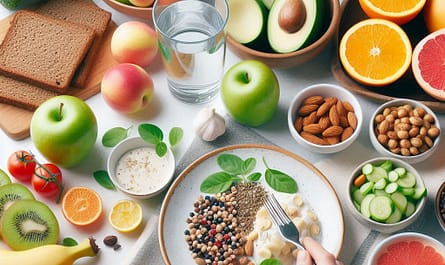
The Sattvic diet comes from Ayurveda and focuses on fresh, pure foods that keep your body and mind in balance. It’s all about eating light, natural stuff to feel energized and calm. Here’s how to do it right.
The Sattvic Diet is a core part of Ayurveda and yogic philosophy. Rooted in the concept of Sattva—purity, harmony, and clarity—this holistic dietary approach emphasizes clean, natural, and nourishing foods that support mental clarity, emotional balance, and spiritual growth. It’s more than a diet; it’s a way of living in tune with nature.
What Is a Sattvic Diet?
In Ayurveda, foods are classified into three categories based on their energy and effect on the body and mind:
- Sattvic Foods – Pure, light, and life-enhancing
- Rajasic Foods – Stimulating, fiery, and activity-inducing
- Tamasic Foods – Dulling, heavy, and impure
A Sattvic Diet encourages fresh, plant-based, seasonal, and organic foods that promote inner peace, vitality, and holistic well-being. It aligns closely with the principles of yoga, especially Ahimsa (non-violence), and is traditionally vegetarian.
🥗 What Does a Sattvic Diet Include?

Key Eating Tips
Bless Your Food: Give thanks and eat with a grateful heart.
Eat Only When Truly Hungry: Listen to your body—don’t force meals.
Avoid Overeating: Fill your stomach halfway, leaving room for digestion.
Eat Slowly and Mindfully: Chew well in a peaceful spot, no rush.
Here’s a breakdown of sattvic-friendly food groups:
According to ayurveda, sattvic, rajasic, and tamasic foods consist of some combination of any of the five basic elements: prithvi (earth), jala (water), teja (fire), vayu (air), and akash (ether).[18]
Nuts and seeds
Nuts that may be considered a part of a sattvic diet include raw organic almonds, cashews, and pistachios. Seeds that may be considered a part of a sattvic diet include sunflower and pumpkin seeds.[19]
Fruit
Fruits that are fresh and organic are considered sattvic. Fresh fruits are preferred to frozen or preserved in a sattvic diet.[20]
Dairy
Dairy products like yogurt and cheese (paneer) must be made that day, from milk obtained that day. Butter must be fresh daily as well, and raw; but ghee (clarified butter) can be aged forever, and is great for cooking. Freshness is key with dairy. Milk should be freshly milked from a cow. Milk that is not consumed fresh can be refrigerated for one to two days in its raw state, but must be brought to a boil before drinking, and drunk while still hot/warm.[citation needed]
Vegetables
Most mild vegetables are considered sattvic. Pungent vegetables leek, garlic and onion (tamasic) are excluded, including mushrooms, as all fungi are also considered tamasic. Some consider tomatoes, peppers, and aubergines as sattvic, but most consider the Allium family (garlic, onion, leeks, shallots), as well as fungus (yeasts, molds, and mushrooms) as not sattvic.[citation needed]
Whole grains
Whole grains provide nourishment. Some include organic rice, whole wheat, spelt, oatmeal and barley. Sometimes the grains are lightly roasted before cooking to remove some of their heavy quality. Yeasted breads are not recommended, unless toasted. Wheat and other grains can be sprouted before cooking as well.[citation needed]
Legumes
Mung beans, lentils, yellow split peas, chickpeas, aduki beans, common beans and bean sprouts are considered sattvic if well prepared. In general, the smaller the bean, the easier to digest.[citation needed]
Sweeteners
Most yogis use raw honey (often in combination with dairy), jaggery, or raw sugar (not refined). Palm jaggery and coconut palm sugar are other choices. Others use alternative sweeteners, such as stevia or stevia leaf. In some traditions, sugar and/or honey are excluded from the diet, along with all other sweeteners.[citation needed]
Spices
Sattvic spices are herbs/leaves, including basil and coriander.[citation needed]
All other spices are considered either rajasic or tamasic. However, over time, certain Hindu sects have tried to classify a few spices as Sattvic.[citation needed]
Spices in the new sattvic list may include cardamom (yealakaai in Tamil, elaichi in Hindi), cinnamon (ilavangapattai in Tamil, dalchini in Hindi), cumin (seeragam in Tamil, jeera in Hindi), fennel (soambu in Tamil, Saunf in Hindi), fenugreek (venthaiyam in Tamil, Methi in Hindi), black pepper (Piper nigrum) also known as ‘Kali mirch’ in Hindi, fresh ginger (injee in Tamil, adrak in Hindi) and turmeric (manjai in Tamil, haldi in Hindi).
Rajasic spices like red pepper (kudaimilagai in Tamil, ‘Shimla mirch’ in Hindi) are normally excluded, but are sometimes used in small amounts, both to clear channels blocked by mucus and to counter tamas.[citation needed]
Sattvic herbs
Other herbs are used to directly support sattva in the mind and in meditation. These include ashwagandha, bacopa, calamus, gotu kola, ginkgo, jatamansi, purnarnava, shatavari, saffron, shankhapushpi, tulsi and rose.[citation needed]
Rajasic (stimulant) foods
Rajas food is defined as food that is spicy, hot, fried, or acidic. Raja food could lead to sadness, misery, or ailment. Junk food or preserved foods are often categorized as rajasik.
✅
you may also like https://thrievly.com/griffonia-simplicifolia/
❌ Foods to Avoid in a Sattvic Diet
🚫 Rajasic Foods
Stimulating foods that may disturb mental peace and cause hyperactivity:
- Spicy or fried foods
- Coffee, caffeinated teas, and energy drinks
- Pickles, vinegar, fermented items
- Processed, salty snacks
🚫 Tamasic Foods
Heavy, stale, or harmful foods that lower energy and mental clarity:
- Meat, fish, and eggs
- Garlic, onions, leeks, mushrooms
- Alcohol, drugs, and overly preserved or reheated foods
⚠️ Incompatible Food Combinations (Viruddha)
According to Ayurveda, some food combinations disturb digestion and should be avoided:
- Milk with fruits, fish, meat, or yogurt
- Sour or salty items with milk
- Mustard oil with turmeric
These combinations may lead to toxin buildup or digestive issues.
🍽️ How to Eat the Sattvic Way: Mitahara (Moderation)
The sattvic approach is also about how you eat:
- Eat only when genuinely hungry
- Avoid overeating—leave some space in the stomach
- Eat slowly and mindfully, in a calm environment
- Bless your food and eat with gratitude
🌱 Benefits of the Sattvic Diet
Adopting a sattvic diet can offer multiple physical, mental, and spiritual benefits:
- Enhances digestion and energy
- Promotes emotional stability and mental clarity
- Supports spiritual practices like meditation and yoga
- Encourages compassion, contentment, and a peaceful state of mind
- Helps maintain a healthy weight and glowing skin
🌟 Final Thoughts: Live Light, Eat Right
The Sattvic Diet is more than a nutrition plan—it’s a lifestyle rooted in mindfulness, simplicity, and respect for life. It nurtures the body, calms the mind, and uplifts the spirit.
By embracing sattvic foods and Ayurvedic principles, you can experience deeper wellness, higher energy, and a more conscious way of living.
“When diet is wrong, medicine is of no use. When diet is correct, medicine is not needed.” – Ayurveda